In a nutshell
- In Finnish tradition the aurora is revontulet, literally fox fires, and a Sami legend says the lights are caused by a magical fox running across the Arctic fells.[1]
- Rovaniemi has visible aurora roughly 8 months a year, from late August through mid-April.[2]
- Rovaniemi recorded 1.2 million overnight stays in 2023, up 30% on 2022, with December peaks of up to 10,000 airport arrivals a day.[3]
- Rovaniemi: Northern Lights Tour with Guaranteed Sightings, from US$228, rated 4.64 from 4,381 reviews and limited to 8 participants.[4]
- In January, average temperatures in Rovaniemi are between -30 and -15 degrees Celsius.[5] Pack layers accordingly.
- Top choice Guaranteed Sightings from US$228 Rating4.64 from 4,381 reviews[4]Duration8 hours[4]GuideLive tour guide: English[4]PickupPickup included: check availability[4]CancellationFree cancellation up to 24 hours[4] Check availability
- Wilderness Tour from US$148 Rating4.34 from 1,530 reviews[6]Duration4 hours[6]GuideLive tour guide: English[6]PickupPickup included: check availability[6]CancellationFree cancellation up to 24 hours[6] See this tour
- Snowmobile Safari from US$160 Rating4.33 from 1,135 reviews[7]Duration4 hours[7]GuideLive tour guide: English[7]PickupPickup included: check availability[7]CancellationFree cancellation up to 24 hours[7] See this tour
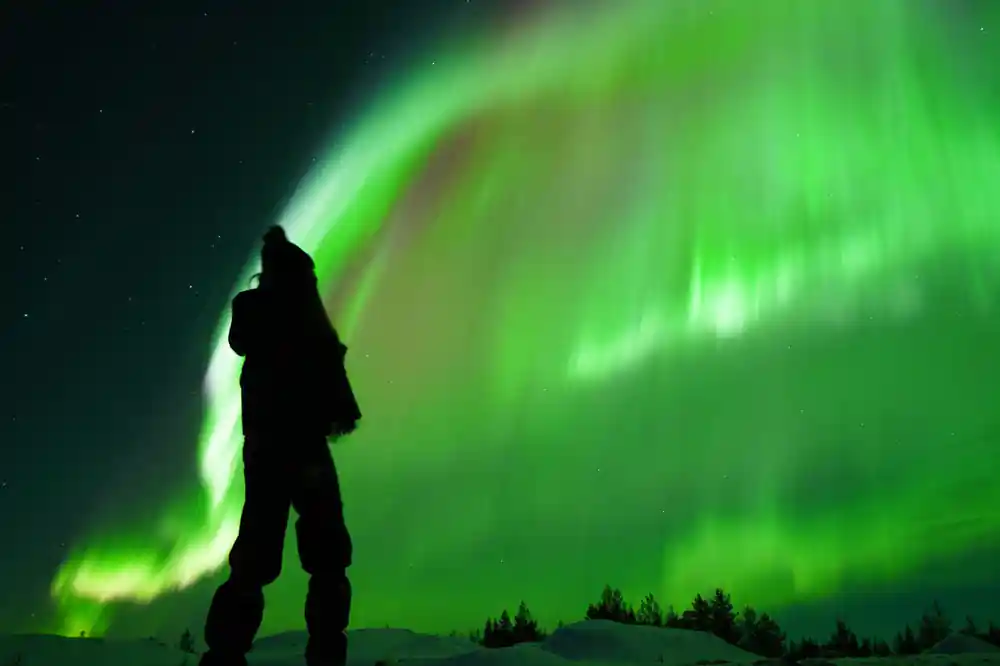
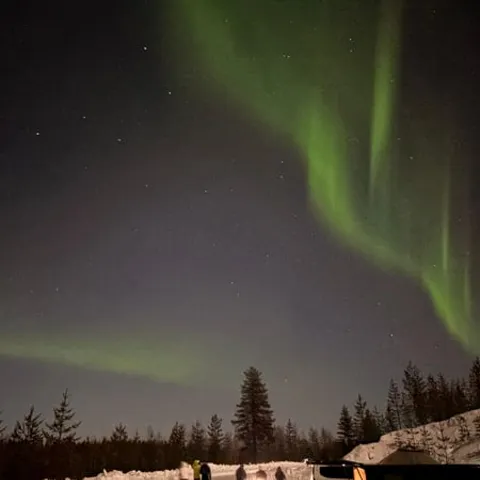
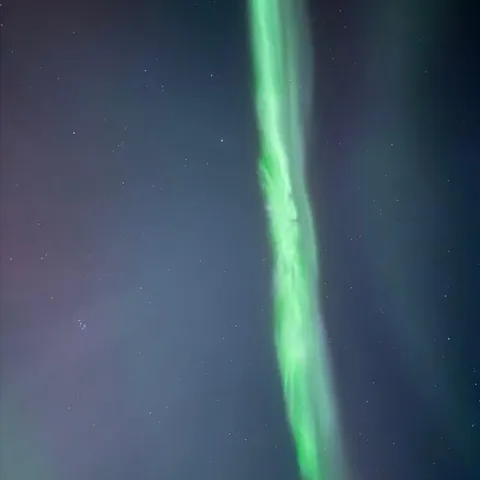
The Finnish word for aurora borealis is “revontulet”, which literally means “fox fires”. A Sami legend tells that the lights are caused by a magical fox running across the Arctic fells.
The verdict on a Rovaniemi aurora night
Read before booking
Revontulet: What the Finnish Call the Aurora
The Finnish word for the northern lights is not a description of physics but a picture. In Finnish tradition the aurora is revontulet, which literally means fox fires.[1] A Sami legend tells that the lights are caused by a magical fox running across the Arctic fells.[1] Picture that animal crossing a snowfield in the dark with sparks trailing behind it, and the whole story fits into a single image. In Lapland the lights are ordinary conversation, not just a holiday wish.
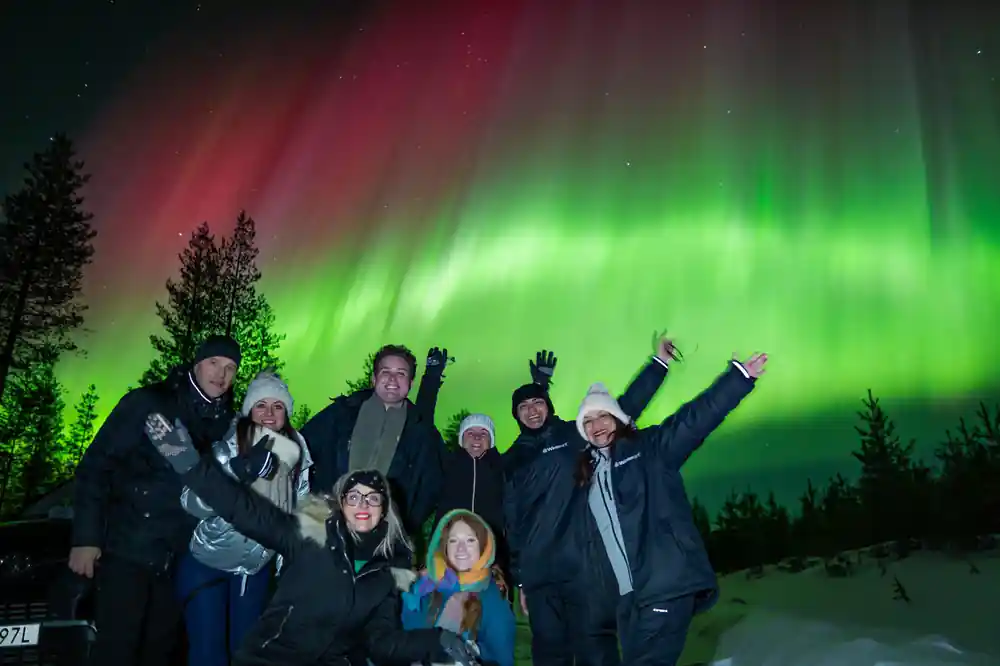
Stand outside in Rovaniemi on a clear night and the light you see is rarely one colour. Green comes from oxygen at 100-150 km, red from oxygen above 200 km, and violet from ionized nitrogen below 100 km.[8] The mechanism sits far above the weather: auroras are caused when fast-moving electrons collide with atoms and molecules in Earth's upper atmosphere above 100 km (60 miles), transferring energy that excites them to higher energy states.[9] You are watching the top of the sky glow while the trees and the snow stay completely still.
Not everything up there is a classic aurora. STEVE, or Strong Thermal Emission Velocity Enhancement, is a narrow mauve ribbon far equatorward of the auroral oval, caused by a roughly 5 km/s channel of westward-drifting ions heating the atmosphere rather than by particle precipitation.[10] It is the kind of thing photographers in the north catch by accident while framing the green, and then spend the rest of the night talking about.
Sámi Belief and the Sacred Lights
The Sami legend belongs to a landscape that is worked, not just visited. Reindeer herding is a livelihood across the north, and according to the Reindeer Herders Association in Finland there were 186,776 reindeer in Finland in the reindeer husbandry year 2013-14.[11] Those animals are out on the fells in every kind of weather, and the fells where the fox of the story runs are the same ones where real reindeer dig through snow for lichen. The people who follow them know the winter sky as a working condition rather than a spectacle.
For anyone who lives this far north, the lights are seasonal rather than rare. Rovaniemi has visible aurora roughly 8 months a year, from late August through mid-April.[2] A green sky is part of an ordinary long winter, and the stories told about it come from people who were out in the dark night after night, on skis, on sleds or on foot. That is the setting the fox story belongs to: not a once-in-a-lifetime event but a recurring neighbour.
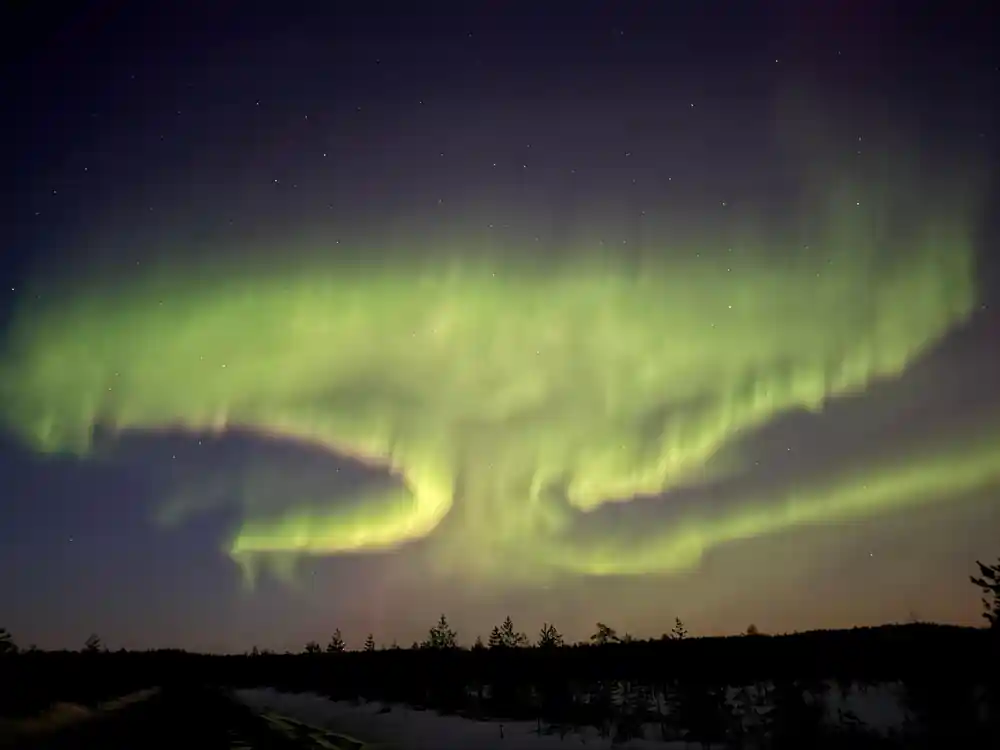
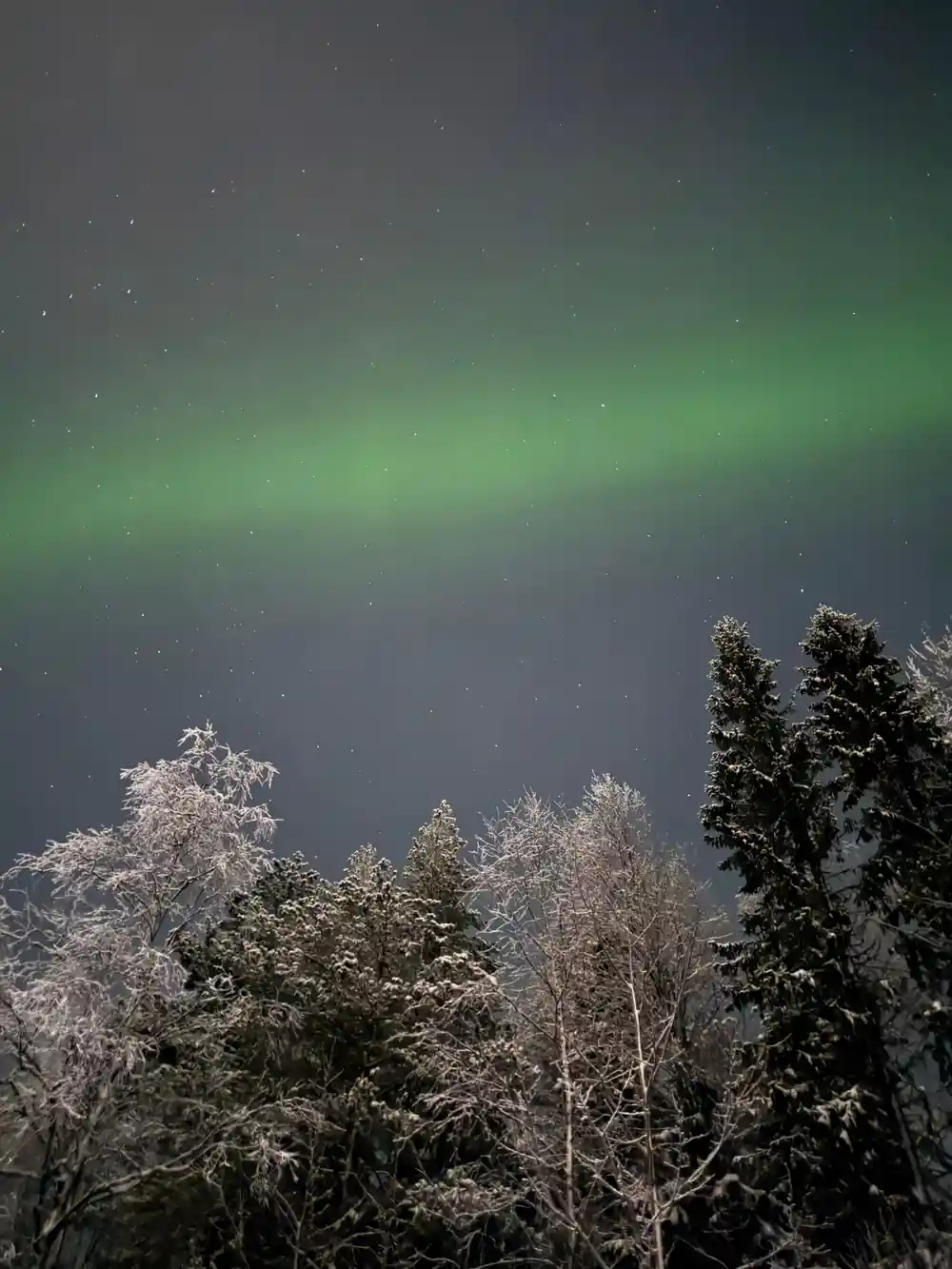
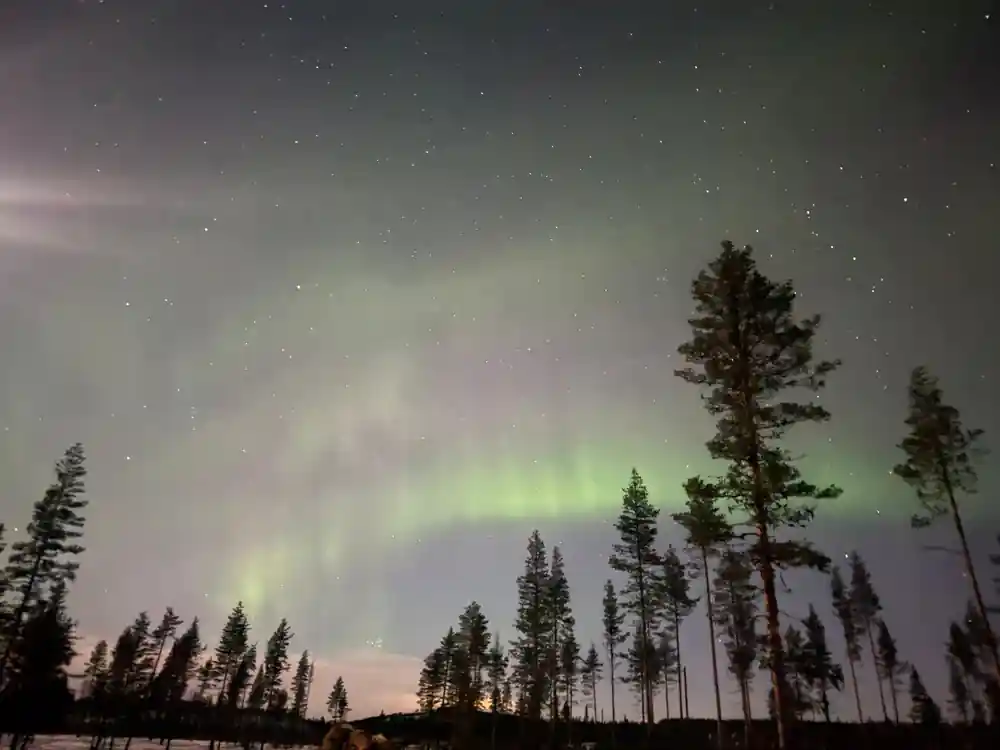
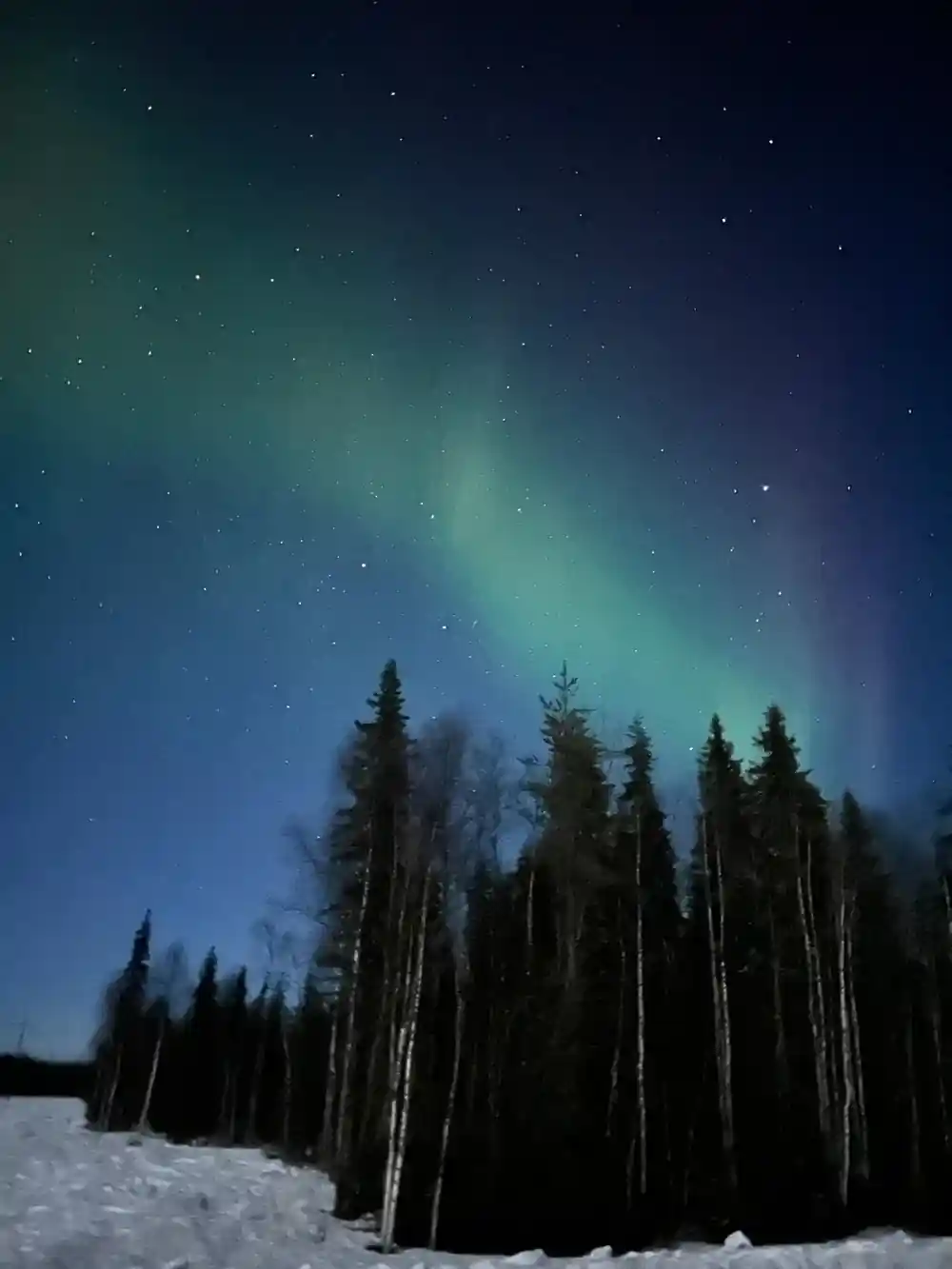
Green arcs over the frozen forest, the kind of sky the old stories were built around.
The Taboo on Whistling at the Aurora
Northern folklore comes with advice about how to behave under the lights, and one of the most repeated pieces of it concerns whistling. The thinking is that a whistle is a call, and that calling out to a moving sky is asking for attention you may not want. Serious or not, the custom belongs to the same world as the fox story: people who spent long nights outdoors made their own rules about how to treat the dark. Customs like this rarely come with a single source, and they were never written down in one place.
There is a practical edge to that habit as well. On a cold night, standing still and quiet with your eyes on the sky is exactly what you need to do to notice the faint arcs that never make it into photographs. Many displays begin as a pale grey band that looks nothing like the pictures, and only later fill out into colour. Patience, not noise, is the skill worth practising.
Reading the Sky: Navigation and Survival in Arctic Darkness
Long before forecasts arrived on phone screens, people read the sky itself. In Rovaniemi, the polar night lasts for 2 days.[12] The winter around it is long and dark by southern standards, and the sky becomes the main thing worth watching. Learning to judge cloud, wind and moonlight from the doorway is a habit that still pays off for anyone spending a week here.
Winter in Lapland has real weight. Rovaniemi typically receives 150-200 cm of snowfall per winter, and the snowy part of the winter can last 6-7 months.[13] In January, the average temperature is between -30 and -15 degrees Celsius.[5] Cold like that shapes every decision on a night out, from what you carry to how long you can stand still. An insulated thermal suit used for Arctic activities can be rated to minus 40, but a damp cotton base layer defeats its insulation.[14]
Knowing exactly where you are matters more when the sun barely clears the trees. The Arctic Circle runs through Santa Claus Village, eight kilometres north of the city centre, and it is clearly marked there.[15] That marked line is a fixed point in a landscape that looks different from one week to the next, and it gives a traveller something solid to steer by when daylight is short and the trees all look alike.
from US$228
Small group of eight, eight hours out, and a guaranteed viewing or a refund if conditions are impossible.[4]
Twenty Generations of Rovaniemi's Aurora Hunters
Aurora hunting in Lapland is not a recent invention, even if the minibuses are. For most of the region's history, watching the lights was something you did while doing something else: feeding animals, travelling between villages, checking traps, skiing home. The lights served as a bright band in an otherwise black sky, and a night on the move was rarely a night without them. Hunting the aurora for money, with a thermos and a camera tripod in the back of a van, is a much younger trade.
Rovaniemi today is a small city with a very large winter. It recorded 1.2 million overnight stays in 2023, up 30% on 2022, with December peaks of up to 10,000 airport arrivals per day, and Santa Claus Village receives over 600,000 visitors a year.[3] Behind those numbers are the skills that matter on a hunt: reading cloud, reading snow, reading wind, and knowing which road stays open when the weather turns.
The season is long enough to make that expertise worthwhile. Visible aurora in Rovaniemi runs roughly 8 months a year, from late August through mid-April.[2] That is a lot of nights out, and the local knowledge that goes with them has been accumulating for a very long time.
From Family Habit to Modern Forecasting
The shift from habit to instrument is recent. Forecasts lean on the Kp index, which ranges from 0 to 9, and for Kp 0-2 the aurora will be far north, quite dim in intensity, and not very active.[16] A high number is not a promise and a low number is not a verdict, but a number does let you compare one night with another rather than relying on hope alone.
There is a longer rhythm behind the nightly ones. Solar Cycle 25 is expected to have a double peak, which will extend the window for aurora activity well into 2026.[17] That is a slow background to the decisions a guide makes on a given evening about where to drive and when to stop, and it is no substitute for looking out of the window.
Modern hunts also work in groups and in vehicles, which changes the arithmetic of a night. The tour booked from this site, for instance, is limited to 8 participants and runs for 8 hours, with a live tour guide in English.[4] Small numbers help when you are standing in the dark looking for something faint: fewer torch beams, less chatter, more sky.
Joining the Hunt Tonight
If the history appeals, the practical step is straightforward. Rovaniemi: Northern Lights Tour with Guaranteed Sightings is listed from US$228 and rated 4.64 from 4,381 reviews.[4] It runs for 8 hours with a live tour guide in English, and the group is limited to 8 participants.[4]
The guarantee is the part that stands out. The listing offers guaranteed northern lights viewing or a refund if conditions are impossible, along with free cancellation up to 24 hours in advance, and you can reserve now and pay later.[4] Pickup is included with details on availability, and starting times vary by date, so check the calendar for the night you want.[4]
Whatever you end up booking, the old habits are still the right ones. Go out with a guide who knows the back roads, dress for a temperature that can fall further than the forecast suggests, and give your eyes time to adjust to the dark. The lights may arrive as a faint grey band, a slow green arc, or nothing at all until the small hours. That uncertainty is the whole point of a hunt, and it is what people here have been doing for a very long time.
Duration of aurora tours from Rovaniemi
Tour duration as listed for each of these three tours: 8 hours[4], 4 hours[6] and 4 hours[7].
What an aurora night costs, in US dollars
US dollar from-prices taken from these GetYourGuide listings:[4],[6],[7].
When to go for the lights
How to plan a night out
Pick your dates
Rovaniemi has visible aurora roughly 8 months a year, from late August through mid-April.[2]
Dress in layers
A thermal suit for Arctic activities can be rated to minus 40, but a damp cotton base layer defeats its insulation.[14]
Check the Kp index
The Kp index ranges from 0 to 9, and for Kp 0-2 the aurora will be far north, quite dim, and not very active.[16]
Choose a guided hunt
The tour booked here runs 8 hours, is limited to 8 participants and has a live tour guide in English.[4]
Know the refund terms
Guaranteed viewing or refund if conditions are impossible, with free cancellation up to 24 hours in advance.[4]
Book a night out under the fox fires
from US$228Reserve now & pay later